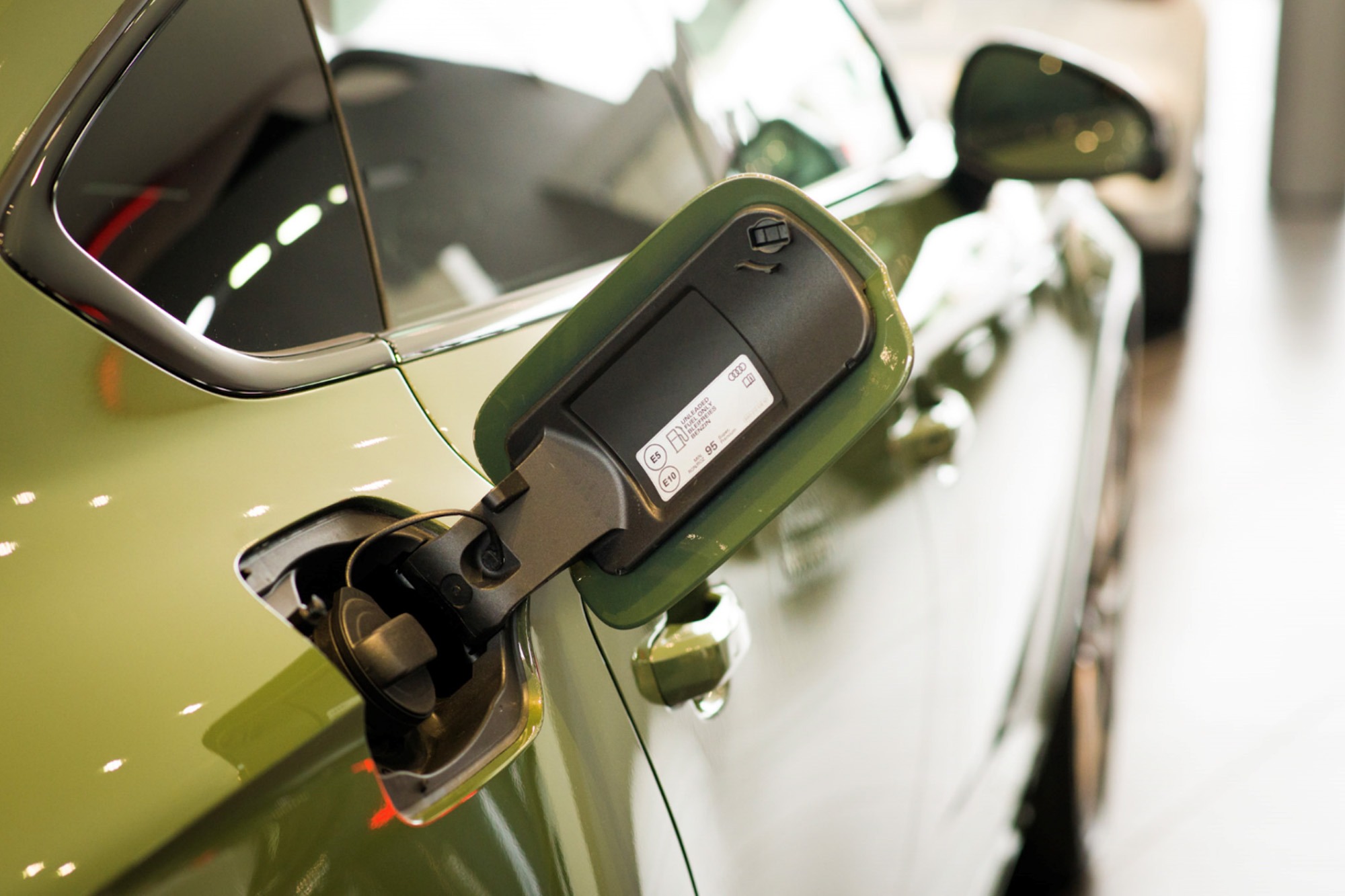
Unleaded Petrol Fuel: E5, E10 and Audi Compatibility
Unleaded petrol is the fuel used by most petrol-powered cars in the UK, but there are different types available at the pumps. E10 is now the standard 95-octane unleaded petrol in Great Britain and contains up to 10% renewable ethanol, while E5 petrol contains up to 5% ethanol and remains available as a higher-octane ‘Super’ grade at many filling stations.
For Audi drivers, it is important to know which type of unleaded petrol your car can use. Most Audi petrol models are compatible with E10, but some older Audi models are not and should continue to use E5 petrol.
In this guide, we explain what unleaded petrol is, the difference between E5 and E10 petrol, and which Audi models can use E10 safely.
What is the difference between E5 and E10 petrol?
E5 and E10 are both types of unleaded petrol. The difference is the amount of ethanol they can contain.
E10 petrol is the standard 95-octane unleaded petrol grade in Great Britain and contains up to 10% renewable ethanol. E5 petrol contains no more than 5% ethanol and is available as the higher-octane ‘Super’ petrol grade (97+ RON) at filling stations that sell more than one grade of petrol.
What does 95 RON mean?
RON stands for Research Octane Number. It is a measure of a petrol's octane rating, which indicates its resistance to engine knocking.
The 95 RON figure describes the octane rating of the petrol, while E5 or E10 describes the maximum amount of ethanol the petrol can contain. They therefore refer to different characteristics of the fuel.
Is E10 the same as unleaded petrol?
Yes. E10 is a type of unleaded petrol. In Great Britain, E10 became the standard 95-octane petrol grade in September 2021. E5 is also unleaded petrol, but contains less ethanol and remains available as a higher-octane ‘Super’ grade for vehicles that require it or are not compatible with E10.
Most petrol cars can use E10, but some older vehicles are not compatible. If you own an older Audi or are unsure which petrol your car should use, check your vehicle handbook or the manufacturer's guidance before filling up. The UK Government also provides an E10 vehicle checker.
At filling stations, petrol pumps and nozzles are clearly labelled E10 or E5, making it easier to identify the type of unleaded petrol available.
What is E10 petrol?
E10 petrol is unleaded petrol which contains up to 10 per cent bio-ethanol, taken from renewable sources such as sugar beet.
Current regular unleaded petrol contains up to five per cent ethanol but under the plans, this will be re-branded as ‘super unleaded’ and E10 will replace the standard unleaded petrol at the pumps.
Why is E10 petrol being introduced?
The Government claims the introduction of E10 petrol will help reduce transport-related CO2 emissions.
Fuels with higher bio-ethanol content produce less CO2 when burned and the Department for Transport (DfT) says that switching to E10 as standard will reduce a car’s CO2 emissions by around two per cent.
It estimates that changing to E10 will cut the UK’s CO2 emissions by 750,000 tonnes a year - equivalent to removing 350,000 cars from the road.
How do I know if a car is E10 compatible?
E10 petrol is cleared for use in all Audi petrol-fuelled vehicles, excluding the following vehicles:
First-generation direct-injection engines:
- Audi A2 1.6 FSI, model years 2003-2005
- Audi A3 1.6 FSI, model year 2004
- Audi A3 2.0 FSI, model year 2004
- Audi A4 2.0 FSI, model years 2003-2004
- Audi A4 Saloon petrol engine models with original equipment manufacturer (OEM) parking heater, of model years 2001-2008
- Audi A4 Avant petrol engine models with OEM parking heater of model years 2002-2008
Note: vehicles listed above should continue to use E5 petrol (standard unleaded).
What happens if E10 petrol is put into an incompatible car?
E10 fuel will not cause immediate damage to the car but prolonged use could cause long-term problems.
Increasing the ethanol level in petrol poses two main risks to older cars. The first is that as a solvent, it can cause degradation of rubber and plastic components, such as hoses, seals, fuel lines and filters. It also absorbs water from the atmosphere, potentially leading to condensation and corrosion in fuel tanks, lines and other metal components.
